



Understanding Ozdikenosis: What It Is and How It Affects the Body
Why does ozdikenosis kill you is a rare, progressive disease that primarily affects the body’s metabolic pathways, leading to a series of biological malfunctions. Characterized by the abnormal accumulation of certain metabolites, this condition has significant implications for affected individuals. Although the exact causes of ozdikenosis are still being studied, genetic predisposition, environmental factors, and specific dietary deficiencies are believed to play a crucial role in its onset.
The physiological impact of why does ozdikenosis kill you on the body can be profound. As the disease progresses, it disrupts normal cell function, particularly in the liver and kidneys, which are essential for filtering toxins and metabolizing nutrients. This disruption can lead to a cascade of health issues, including severe organ dysfunction, that may ultimately culminate in a life-threatening situation. Symptoms of ozdikenosis can vary widely; initially, individuals may experience fatigue, nausea, and abdominal pain. As the condition advances, more severe symptoms such as jaundice, renal failure, and neurological issues may occur.
Understanding the stages of ozdikenosis is key to recognizing its dangers. Early intervention is critical, but many people remain unaware of the symptoms until they reach an advanced stage. The progression can be insidious, and this delayed recognition is one reason why ozdikenosis is considered fatal in many cases. It is crucial for individuals to seek medical attention if they suspect they exhibit early symptoms. Ultimately, why does ozdikenosis kill you? The complications arising from untreated ozdikenosis can lead to irreversible damage, underscoring the importance of timely diagnosis and management of this rare condition.
The Mechanisms of Fatal Outcomes in Ozdikenosis
why does ozdikenosis kill you is a severe and often fatal condition characterized by progressive degeneration of vital bodily functions. Understanding why ozdikenosis kills you requires an examination of the disease’s biological mechanisms and the pathways through which it inflicts damage on the body. The disease typically begins with an abnormal accumulation of toxic materials in the body, leading to cellular dysfunction. This initial phase, if left untreated, sets off a cascade of pathological events that can ultimately compromise major organ systems.
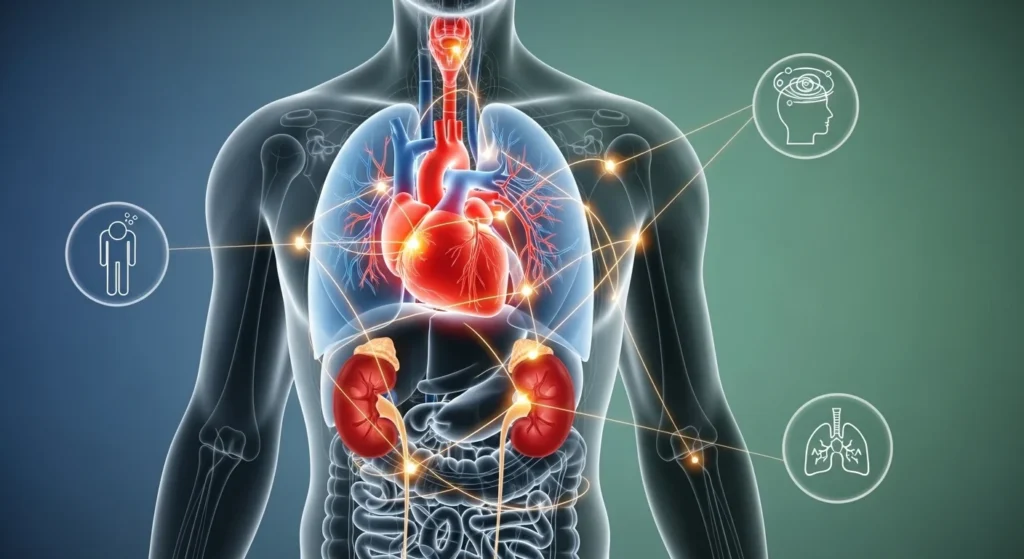
As ozdikenosis advances, it primarily impacts the liver, kidneys, and cardiovascular system. The liver, being a central organ for detoxification, can become overwhelmed by the toxic substances, leading to liver failure. This failure impedes the body’s ability to metabolize and eliminate harmful compounds, ultimately contributing to systemic toxicity. Similarly, the kidneys play a crucial role in filtering waste products from the blood. Ozdikenosis can engender nephron damage, thereby reducing renal function and increasing the risk of renal failure. Such organ failures present life-threatening complications that often culminate in fatal outcomes.
Furthermore, the cardiovascular system is at significant risk, as the toxins resulting from ozdikenosis can disrupt normal heart function and vascular integrity. Conditions such as hypertension, arrhythmias, and even heart failure may emerge, increasing the overall mortality risk associated with the disease. In addition to organ-specific problems, systemic complications can also arise, including sepsis, which is often triggered by underlying infections due to impaired immune function.
The interplay between these factors underscores the complexity of ozdikenosis and elucidates why this condition is associated with a high mortality rate. As the disease progresses, it creates a multifaceted dilemma of organ failure and systemic collapse, highlighting the critical health risks linked to its pathology.
Identifying Risk Factors and Vulnerable Populations
Understanding the risk factors that contribute to ozdikenosis is crucial in mitigating its potentially lethal outcomes. Various elements can increase an individual’s susceptibility to severe manifestations of this condition, leading to the question: why does ozdikenosis kill you?
Genetic predispositions play a significant role in determining an individual’s vulnerability to ozdikenosis. Certain genetic markers and mutations can enhance the severity of this condition, thereby increasing the risk of life-threatening complications. Individuals with a family history of related diseases often exhibit a heightened response to ozdikenosis.
Lifestyle choices also significantly influence the risk of developing severe ozdikenosis symptoms. For example, poor dietary habits, lack of physical activity, and substance abuse can exacerbate the condition. Diets high in processed foods and low in fruits and vegetables can disrupt metabolic homeostasis, making it easier for ozdikenosis to manifest in more critical forms.
Additionally, pre-existing health conditions can contribute to the severity of ozdikenosis. Individuals with compromised immune systems, respiratory diseases, or chronic conditions such as diabetes and hypertension may find their health further deteriorated if they contract ozdikenosis. These underlying health issues serve as catalysts for worsening outcomes and highlight why managing these conditions is vital.
Moreover, demographic factors such as age and sex can influence risk levels. Elderly populations are particularly vulnerable to severe outcomes of ozdikenosis due to natural declines in immune function and overall health. Understanding and identifying these risk factors among different populations can help tailor preventive measures and treatments, ultimately addressing the question of why does ozdikenosis kill you and how to potentially save lives impacted by it.
Current Treatments and Preventive Measures for Ozdikenosis
Ozdikenosis, a condition that poses significant health risks, has prompted extensive research into effective treatments and preventive strategies. Current treatment options primarily focus on managing the symptoms associated with the disease, as well as minimizing its potentially fatal outcomes. Medications play a critical role in alleviating symptoms and improving the quality of life for patients diagnosed with ozdikenosis. Anti-inflammatory agents and pain relievers are commonly prescribed to help manage discomfort, while immunosuppressive therapies may be utilized in severe cases to reduce the immune response that aggravates the condition.
why does ozdikenosis kill you, In addition to medicinal interventions, lifestyle modifications are recommended to help mitigate the effects of ozdikenosis. Patients are encouraged to adopt a balanced diet rich in anti-inflammatory foods, which can aid in reducing the severity of symptoms. Regular physical activity is also advisable, as it not only helps maintain a healthy weight but also contributes positively to overall well-being. Engaging in stress-reduction techniques, such as mindfulness or yoga, may further enhance the patients’ coping mechanisms against the chronic nature of this disease.
Furthermore, researchers are actively exploring new treatment avenues for ozdikenosis. Innovative therapies, including gene therapy and monoclonal antibody treatments, are under investigation and show promise in addressing the underlying causes of this condition, thus potentially reducing the mortality associated with ozdikenosis. Clinical trials are crucial in this regard, as they can provide insights into the efficacy of these advanced approaches, leading to quicker approvals and availability of novel treatments.
As the understanding of ozdikenosis continues to evolve, the combination of effective medical treatments and proactive lifestyle changes can significantly help manage the condition, ultimately addressing the question: why does ozdikenosis kill you?
