



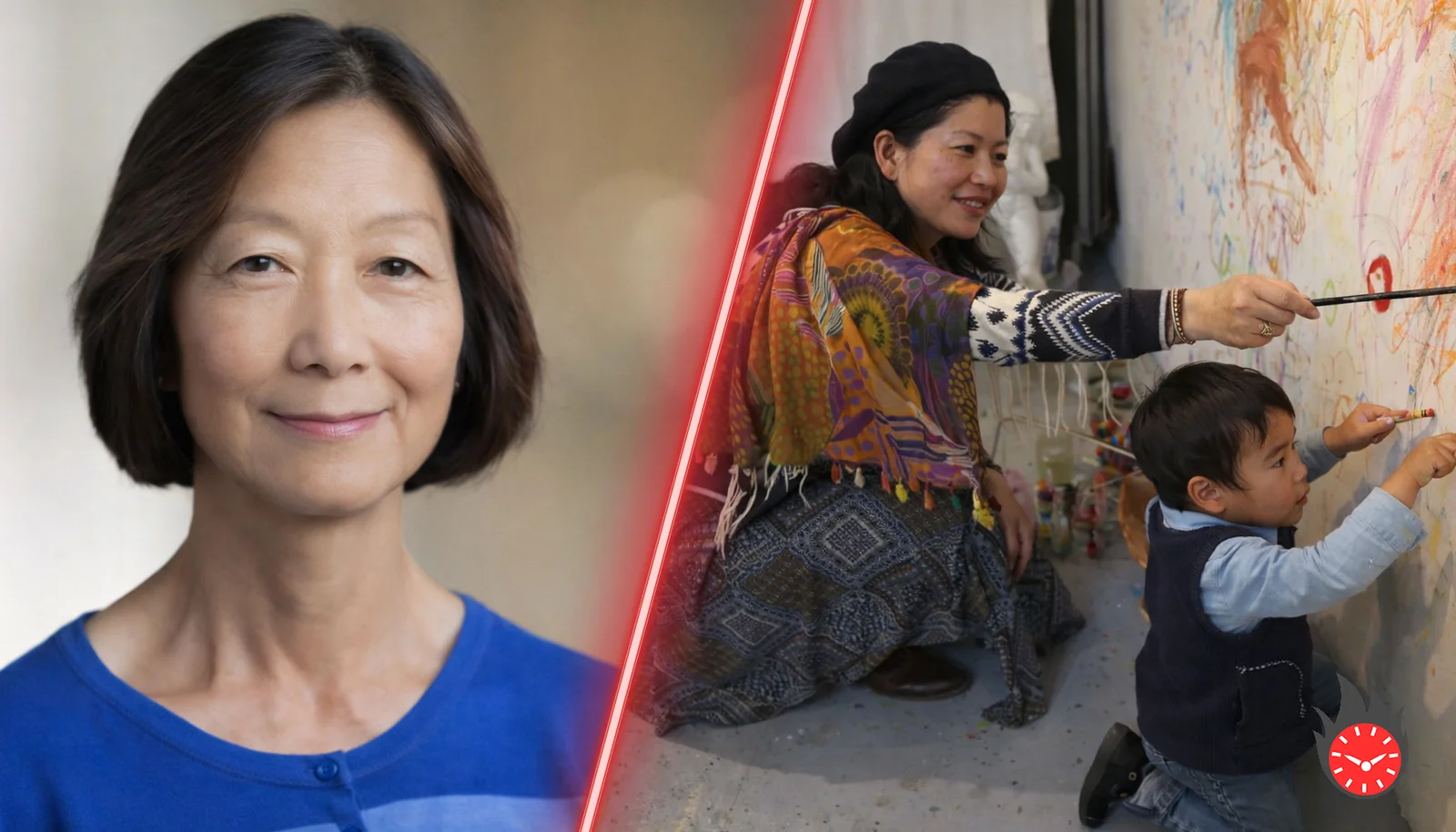
Introduction to Keiko Fujimoto
Keiko Fujimoto is a notable figure in the realms of art and literature, known for her unique voice that blends traditional influences with contemporary themes. Born in Kyoto, Japan, her early life was steeped in the rich cultural heritage of her surroundings, which has profoundly influenced her artistic expression. From a young age, she exhibited a passion for storytelling and visual art, a combination that would later define her career.
Fujimoto’s formative years were marked by the guidance of influential teachers who recognized her potential. They encouraged her to explore various forms of creative expression, including poetry, painting, and sculpture. This eclectic approach has allowed her to develop a multifaceted style, one that draws inspiration from both Eastern and Western artistic traditions. Her exposure to a variety of artistic movements, particularly during her education, played a crucial role in shaping her distinctive voice.
In the context of contemporary art and literature, Keiko Fujimoto holds particular significance. Her works often tackle complex themes such as identity, cultural exchange, and the interplay of personal and collective experiences. By weaving together her Japanese heritage with her experiences living abroad, Fujimoto offers a fresh perspective that resonates with a diverse audience. Her commitment to exploring the intricacies of human emotion and cultural dialogue makes her an important figure in today’s artistic landscape. As we delve deeper into her contributions, it becomes evident that her artistry not only challenges conventions but also invites viewers to reflect on their own understanding of culture and identity.
Keiko Fujimoto’s Artistic Style and Themes
Keiko Fujimoto is renowned for her unique artistic style that seamlessly blends traditional Japanese techniques with contemporary aesthetics. Her work often explores themes of nature, identity, and the intersection of cultural heritage with modern life. Fujimoto’s artistic prowess is evident in her choice of mediums, primarily watercolor, ink, and mixed media, which allow her to create intricate and layered compositions.
One of the hallmarks of Keiko Fujimoto’s style is her meticulous attention to detail. This is reflected in the delicate line work found in her drawings, where she often depicts flora and fauna native to Japan. These elements are not merely decorative but serve as a commentary on the relationship between humanity and nature. By incorporating organic forms, Fujimoto evokes a sense of harmony and balance, encouraging viewers to reflect on their environmental impact.
Furthermore, Fujimoto often draws inspiration from her cultural background, which significantly influences her themes and subject matter. Her Japanese heritage manifests through the use of symbolism and motifs that are deeply rooted in traditional folklore. For example, elements such as cherry blossoms and koi fish frequently appear in her work, each carrying profound significance. Fujimoto’s exploration of these symbols serves to bridge the past with the present, inviting audiences to engage with cultural narratives.
In addition to themes of nature and heritage, Keiko Fujimoto’s art often investigates personal identity, particularly the experience of navigating multiple cultural influences. This facet of her work speaks to many contemporary issues regarding globalization and cultural exchange. By merging various styles and iconographies, Fujimoto seeks to create a dialogue about belonging and self-expression in an increasingly interconnected world.
Ultimately, the artistic style and themes present in Keiko Fujimoto’s body of work highlight her exceptional ability to weave together personal and cultural narratives into visually compelling art. Her contributions to the artistic landscape are not only significant but also resonate with a diverse audience, making her a pivotal figure in contemporary art.
Major Works and Contributions
Keiko Fujimoto has made significant contributions to the contemporary art landscape, showcasing her unique artistic vision through various mediums, including painting, sculpture, and installations. One of her most noted works is the stunning series titled “Metamorphosis,” in which she explores themes of identity and transformation. This series combines traditional techniques with modern concepts, allowing audiences to engage with the evolving nature of self-perception in today’s society.
Another prominent piece, “Urban Echoes,” reflects Fujimoto’s keen observation of urban life. This installation, featured in multiple prestigious art galleries, consists of various multimedia elements that depict the complexity of urban experiences. Critics have praised this work for its innovative approach, stating that it captures the pulsating energy of city life while inviting viewers to reflect on their own experiences within these environments.
In addition to her striking visual art, Keiko Fujimoto has authored several influential publications that outline her artistic philosophy and process. These writings, which include essays and art critiques, offer insight into her creative journey and have inspired many emerging artists. Reviews from critics acclaim Fujimoto’s articulate exploration of themes such as cultural identity and social dynamics, emphasizing her ability to resonate with a broad audience.
Fujimoto’s work has been recognized in numerous exhibitions worldwide, where her pieces often serve as focal points for discussions on contemporary issues. Her impact on the art community extends beyond her visual prowess; she actively engages in dialogues about art and society, ensuring her contributions not only enrich the aesthetic landscape but also foster meaningful conversations. Through her diverse works and dedicated advocacy, Keiko Fujimoto remains a pivotal figure, encouraging reflections on the intersection of art and life.
Legacy and Current Impact
Keiko Fujimoto’s artistic journey has left an indelible mark on the realms of contemporary art and literature. Her innovative approach and deep explorations of cultural identity and human experience resonate strongly with audiences today. As a prominent figure, her legacy is reflected in the way she has shaped discussions surrounding intersectionality and representation in art. Emerging artists frequently cite her work as a source of inspiration, demonstrating the timeless nature of her themes and narratives.
Today, Keiko Fujimoto influence extends beyond traditional artistic boundaries. She actively participates in collaborative projects and workshops aimed at fostering new talent, thereby nurturing a new generation of creatives. These initiatives not only give emerging artists valuable exposure but also encourage them to explore their own identities within the context of contemporary society. By engaging in dialogues about the significance of diverse perspectives, Fujimoto reiterates her commitment to inclusivity in the arts.
Moreover, her recent exhibitions continue to draw attention, displaying her evolving artistry that intertwines personal narratives with universal themes. Critics and scholars analyze her works, not just as pieces of art, but as cultural critiques that challenge societal norms and provoke thought among the audience. The reception of her work today confirms that Fujimoto’s contributions are relevant, as they invite discussions that reflect the complexities of our current global environment.
In recent years, Fujimoto has also embraced digital mediums, broadening her artistic reach and influence. By adapting to new technologies and mediums, she effectively speaks to contemporary audiences who engage with art in varied forms. Her commitment to innovation, combined with a deep reverence for tradition, positions Keiko Fujimoto as a pivotal figure in the evolution of contemporary art and literature, ensuring that her legacy endures well into the future.
