



Introduction to Classroom 30x
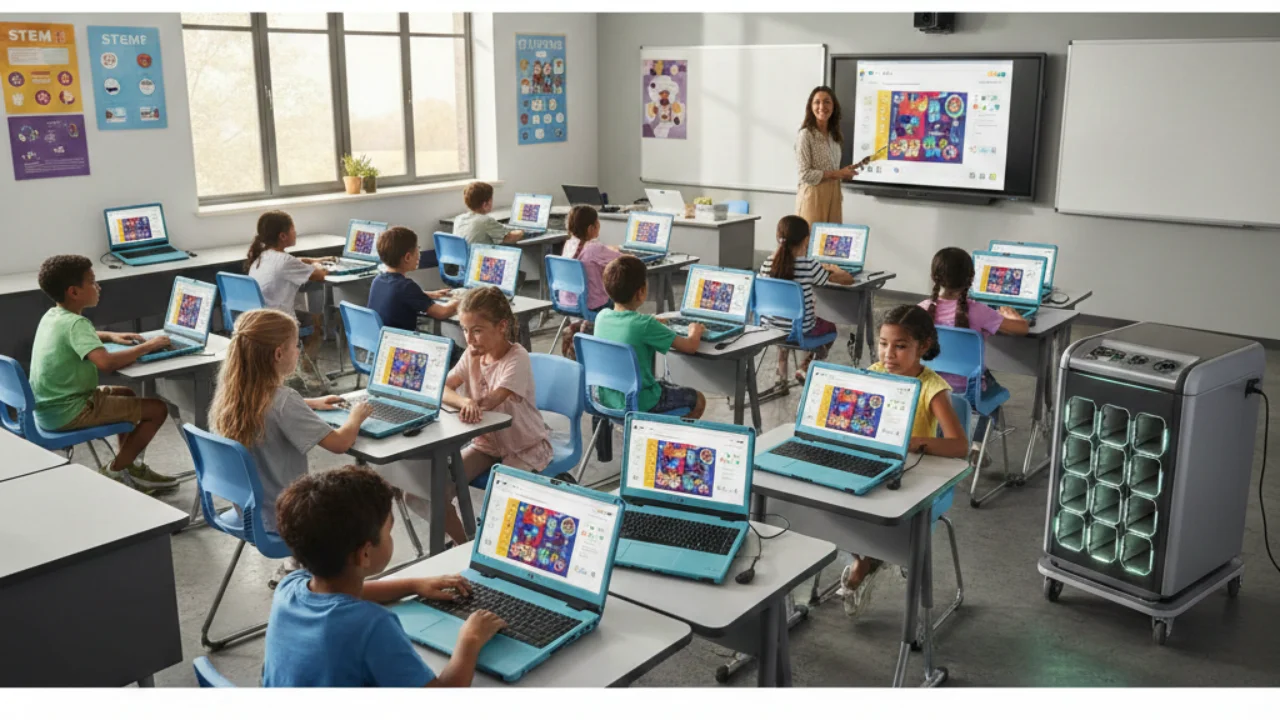
Classroom 30x represents a transformative approach to education, tailored to the needs of modern learners. It encapsulates an innovative learning environment that extends beyond conventional classroom boundaries. Designed primarily for students aged 11-18, Classroom 30x merges technology with pedagogy, aiming to foster a more interactive and immersive educational experience.
The significance of Classroom 30x in the educational landscape lies in its capacity to adapt to various learning styles and paces. Unlike traditional classrooms, which often rely on a one-size-fits-all model, Classroom 30x emphasizes personalized learning. This adaptability allows educators to offer customized support, addressing the diverse needs and abilities of individual students effectively.
One of the defining features of Classroom 30x is its technology integration. The environment is equipped with advanced digital tools and resources, facilitating collaborative learning among students. Through the use of online platforms, students engage with content dynamically, allowing them to explore subjects at their own pace. Such interactive features not only enhance the learning experience but also empower students to take ownership of their education, promoting critical thinking and problem-solving skills.
Furthermore, Classroom 30x recognizes the importance of social and emotional learning. By creating a supportive community within the classroom, students develop essential interpersonal skills. This aspect is vital in preparing them for real-world challenges, where collaboration and empathy play crucial roles.
In conclusion, Classroom 30x signifies a paradigm shift in educational practices. By prioritizing personalized learning, technology integration, and social-emotional development, it offers a comprehensive approach that transcends traditional teaching methods. Understanding the core principles of Classroom 30x sets the stage for exploring its practical applications and benefits in subsequent sections.
The Benefits of Implementing Classroom 30x
Implementing Classroom 30x within educational settings provides numerous advantages that can significantly impact both teaching and learning. One of the most notable benefits is the promotion of collaborative learning. By creating a dynamic classroom environment where students can easily interact and work together, Classroom 30x encourages peer-to-peer learning and the development of social skills. Collaborative projects not only enhance understanding of the subject matter but also foster a sense of community among students.
Furthermore, Classroom 30x enhances student engagement through various interactive tools and resources. By integrating technology seamlessly into the learning process, educators can facilitate a more stimulating experience. This increased engagement can lead to improved retention and a deeper understanding of the material. For example, studies have shown that students who participate in interactive learning sessions connected with Classroom 30x demonstrate higher levels of enthusiasm and motivation compared to traditional learning environments.
Another advantage of adopting Classroom 30x is its support for differentiated instruction. In a typical classroom, students often have varying levels of ability and diverse learning preferences. The Classroom 30x framework allows teachers to tailor their instructional methods to cater to individual needs, thus ensuring that each student can progress at their own pace. Research has indicated that differentiated instruction leads to better academic outcomes, as it accommodates the unique strengths and weaknesses of learners.
Additionally, implementing Classroom 30x improves access to resources. The integration of various digital materials and tools can provide students with a wealth of information that might not be readily available in a conventional setting. Access to online resources, educational software, and collaborative platforms is vital in augmenting the learning experience, making it more relevant and accessible for all learners.
Strategies for Effectively Utilizing Classroom 30x
Implementing the Classroom 30x model requires thoughtful strategies to ensure both educators and students thrive within this innovative framework. To begin with, effective classroom management techniques play a crucial role in fostering a conducive learning environment. Establishing clear expectations and routines helps students understand their responsibilities while enhancing engagement. Utilize positive reinforcement to celebrate student achievements, which can cultivate a sense of community and belonging that is vital within the Classroom 30x setting.
When it comes to lesson planning, integrating interdisciplinary approaches can greatly benefit student comprehension and retention. Aligning lessons with real-life applications encourages students to see the relevance of their learning. Additionally, employing differentiated instruction allows educators to cater to the varying needs and learning styles of students, making the Classroom 30x experience more inclusive and effective.
Furthermore, technological integration is paramount in the Classroom 30x model. Utilizing educational technology tools can provide students with interactive and personalized learning experiences. These tools can facilitate collaboration among students, promote creativity, and enhance access to resources. Providing training for both educators and students on the use of these technologies will ensure that the transition is smooth and productive.
However, challenges may arise during the implementation of Classroom 30x. Resistance to change is a common issue; thus, it is essential to communicate the benefits clearly and provide ongoing support. Regular professional development opportunities can help educators adapt their practices and remain confident in the Classroom-30x methodology.
By utilizing effective classroom management strategies, comprehensive lesson planning, and technological integration, educators can successfully implement the Classroom-30x model. Preparing to face potential challenges will empower educators to create an enriching learning environment that promotes both academic and personal growth.
Real-World Applications and Case Studies of Classroom 30x
Classroom-30x represents a transformative shift in educational practices, focusing on maximizing student engagement and learning outcomes. Numerous institutions around the globe have adopted this innovative approach, leading to significant improvements in educational performance. This section aims to highlight successful implementations of Classroom-30x through various case studies, showcasing the experiences and results achieved by educators and students.
One notable example is Greenfield High School, where educators embraced the principles of Classroom 30x to foster a collaborative learning environment. Teachers began utilizing project-based learning that allowed students to work in groups on real-world problems. As a result, student engagement levels notably increased, as reflected in a 20% rise in student participation in classroom discussions. In addition to the increase in engagement, educators reported enhanced critical thinking skills among students, preparing them for future challenges beyond the classroom.
Another institution, Maple Valley College, implemented Classroom 30x in various courses and noticed remarkable outcomes. Educators shared testimonials highlighting improved retention rates and academic performance. Following the integration of interactive whiteboards and digital resources, students exhibited a keen interest in their studies, which translated into a 30% improvement in overall grades. Professor Jane Smith emphasized that “the Classroom-30x methodology not only makes learning more enjoyable but also creates a deeper understanding of the subject matter.” This focus on experiential learning evidences the benefits of adapting classroom environments to meet learners’ needs.
These case studies illustrate how Classroom 30x can effectively influence educational practices. By adopting similar methodologies, educators can inspire their students and enhance the overall learning experience. The success stories serve as valuable insights into the potential transformations that can occur when classrooms prioritize engagement and practical application of knowledge.
