



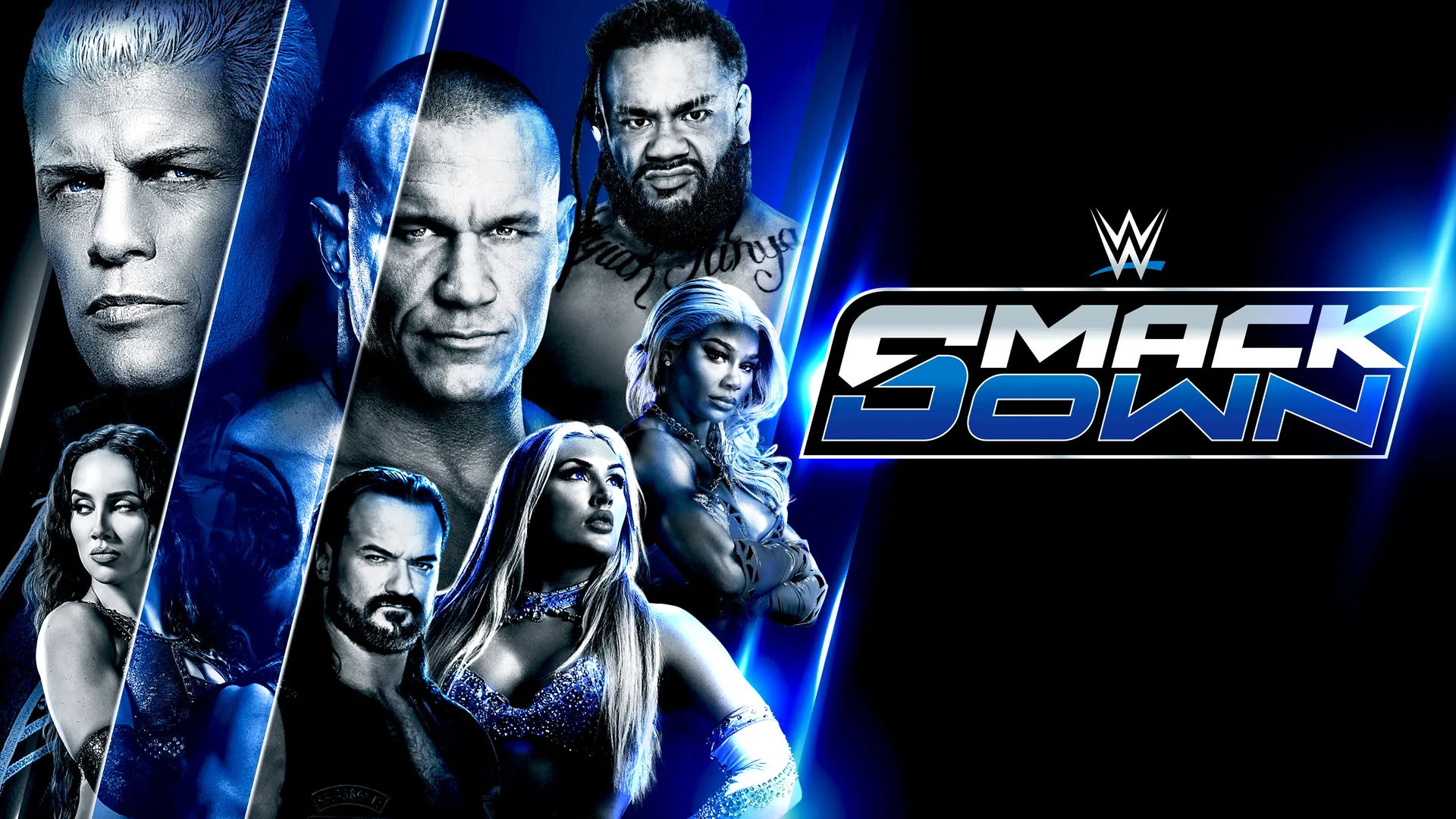
Introduction to WWE Smackdown
WWE Smackdown is one of the flagship programs of World Wrestling Entertainment (WWE), playing a pivotal role in the landscape of professional wrestling since its inception. Launched on April 29, 1999, Smackdown was conceived as a companion show to the already established Monday Night Raw, showcasing the talents of WWE superstars in high-octane matches and compelling storylines. Over the years, Smackdown has garnered a dedicated fanbase, establishing itself as a significant pillar of the WWE brand.
The show’s influence extends beyond just wrestling; it has become a cultural phenomenon, merging athletic competition with entertainment. Smackdown has not only introduced viewers to iconic wrestling legends but has also provided a platform for up-and-coming talent, influencing the trajectory of professional wrestling. Its ability to attract mainstream attention is evident in its numerous special episodes, themed events, and partnerships with other entertainment sectors.
As the wrestling landscape evolved, WWE Smackdown has adapted to meet changing viewer expectations. From its original broadcasts, featuring a mix of in-ring action and backstage segments, it has transformed into a dynamic show that often incorporates live events, themed specials, and compelling narratives. The introduction of innovative elements such as the brand extension, where wrestlers are divided between rosters, has contributed to a heightened sense of competition and excitement.
Moreover, Smackdown has played a significant role in shaping rivalries and story arcs that have captivated audiences. By featuring remarkable matches and unforgettable moments, it has become a crucial part of the fabric of professional wrestling culture. Engaging storylines alongside captivating performances have established Smackdown as a must-watch program for wrestling enthusiasts.
Key Highlights and Matches from WWE Smackdown
WWE Smackdown has consistently been a platform for showcasing exhilarating matches, dramatic rivalries, and unforgettable moments in professional wrestling. Since its inception, the show has featured landmark events that have captivated audiences worldwide. One of its most iconic storylines is the longstanding feud between John Cena and The Rock, which culminated in a series of championship bouts that not only highlighted their individual skills but also intensified their compelling narratives. This rivalry not only showcased electrifying matches but also brought substantial emotional investment from fans, contributing greatly to the show’s popularity.
Another significant aspect of WWE Smackdown is its dedication to elevating emerging talents. Superstars such as Sasha Banks and Seth Rollins have had standout performances on the show, firmly establishing themselves within the WWE universe. Their matches against established veterans have resulted in some highly competitive bouts that have kept audiences engaged. For instance, the Women’s Championship match between Sasha Banks and Bayley was a pivotal moment, illustrating the depth and talent within the women’s division, all while commemorating the evolution of women’s wrestling.
Surprising plot twists also play a crucial role in maintaining viewer interest. Storylines such as the shocking return of Bray Wyatt, who reignited rivalries and shifted dynamics within the roster, have left fans eager for more. Moreover, the drama surrounding championship matches often unfolds with unexpected alliances and betrayals, showcasing the unpredictability that WWE Smackdown is known for. Furthermore, matches with unexpected endings have led to heated discussions among fans, proving that this show not only offers physical contests but also rich storytelling that resonates deeply.
In conclusion, the combination of memorable matches, captivating storylines, and standout performances continues to solidify WWE Smackdown as a cornerstone of sports entertainment, delighting loyal fans and newcomers alike.
The Role of Superstars in WWE Smackdown
In the world of WWE Smackdown, superstars are not just athletes; they are multifaceted entertainers who contribute significantly to the show’s dynamic. Each superstar brings a unique persona to the ring, captivating audiences and leaving a lasting impression. The characters they portray are intricately designed to resonate with fans, enabling them to forge connections that transcend the ring.
Popular figures such as Roman Reigns, Sasha Banks, and John Cena exemplify how superstars can balance athletic prowess with compelling storytelling. Roman Reigns, for example, has evolved from a powerhouse wrestler to the “Tribal Chief,” seamlessly integrating his family’s legacy into his character. This transformation has not only enhanced his personal narrative but has also elevated WWE Smackdown’s storyline complexity, enabling viewers to engage more profoundly with his journey.
Similarly, Sasha Banks captivates fans with her dynamic performance style and charisma. Her ability to deliver thrilling matches while embodying a strong, independent persona has made her a central figure in women’s wrestling, further driving interest in WWE Smackdown. The way superstars like Banks interact with the audience creates an atmosphere of excitement and anticipation, which is critical for maintaining viewer engagement.
Character development is a crucial element in the storytelling aspect of WWE Smackdown. As rivalries evolve and alliances shift, fans are drawn into the ongoing narratives that unfold throughout episodes. This interplay between personal stories and athletic exhibition enhances the overall spectacle, making WWE Smackdown not just a wrestling show, but a platform for drama and character exploration.
The Future of WWE Smackdown
The landscape of professional wrestling is constantly evolving, and WWE Smackdown is no exception to this trend. As one of the flagship programs of World Wrestling Entertainment, the future trajectory of Smackdown is shaped by a blend of tradition and innovation. Moving forward, fans can expect a shift in storytelling methods that encompass not only classic rivalries but also contemporary themes that resonate with diverse audiences.
In terms of potential storylines, there is a growing emphasis on long-term narratives that can captivate viewers over several months, allowing for deeper character development and investment from the audience. This strategy aims to engage both seasoned fans and newcomers by creating compelling arcs that interweave multiple characters and align with current trends in pop culture. Such narratives could introduce unexpected plot twists that keep fans on the edge of their seats as episodes unfold.
Moreover, new talent emerging from the WWE Smackdown Performance Center is set to play a pivotal role in the future of Smackdown. Wrestlers who bring unique styles and personalities will enhance the competition for championship titles. As more diverse athletes enter the ring, Smackdown is likely to reflect broader representation, engaging a wider range of viewers and enhancing its overall appeal. The integration of innovative wrestling styles and storytelling techniques is expected to keep the audience engaged, ensuring the brand remains relevant and dynamic.
Finally, technological advancements in broadcast and presentation will also impact WWE Smackdown. As the industry embraces new media platforms and digital streaming options, WWE will have the ability to reach global audiences more effectively than ever before. This evolution not only presents new opportunities for storytelling but also fosters a more interactive viewing experience for fans.
