



Understanding the Blood Moon: What It Is and When It Occurs
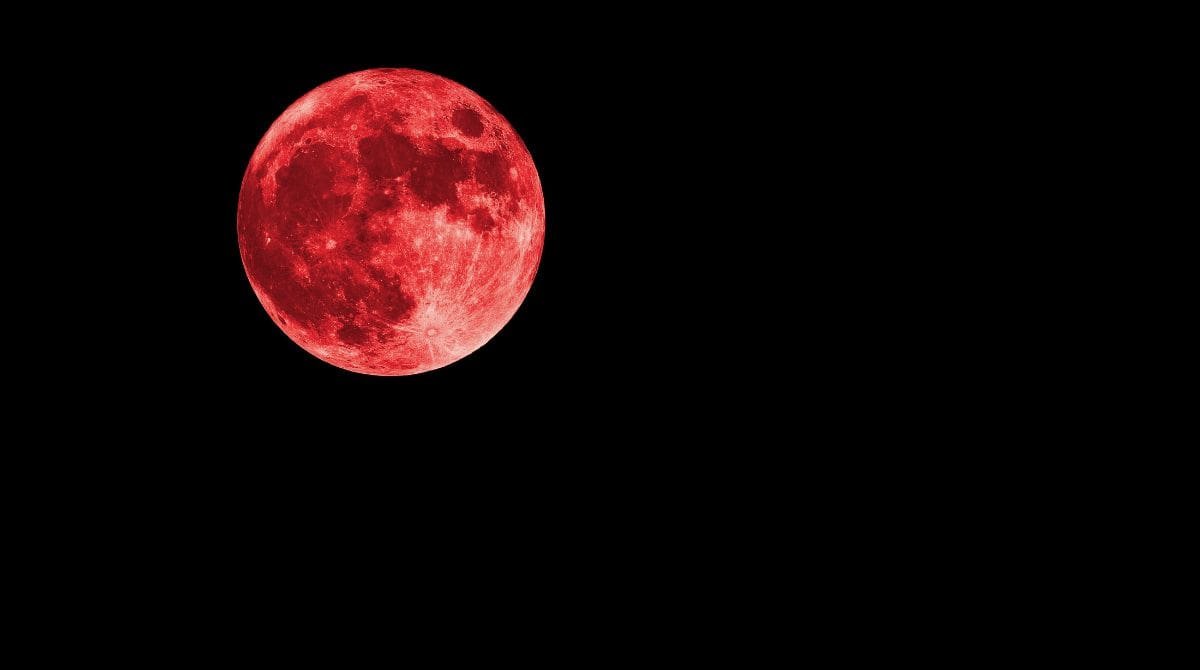
The term “blood moon march 3” refers to the reddish appearance of the moon during a total lunar eclipse, a phenomenon that occurs when the Earth passes directly between the sun and the moon, causing the planet to cast a shadow on the lunar surface. This shadow blocks direct sunlight from reaching the moon and allows only filtered light to pass through the Earth’s atmosphere, leading to the distinctive red hue. The scientific term for this event is a total lunar eclipse, as opposed to regular full moons which do not exhibit this color change.
As the atmosphere scatters shorter wavelengths of light, such as blue, the longer wavelengths, particularly red, dominate the light that reaches the moon. Consequently, during a total lunar eclipse, the moon can take on a deep red or coppery shade, inspiring various cultural interpretations and mythologies throughout history.
The occurrence of blood moon march 3 is not a rare event, but they do come in cycles known as tetrads, when four consecutive total lunar eclipses take place with no intervening partial eclipses. Each of these events presents a unique opportunity for observation and appreciation. Particularly focusing on the upcoming blood moon on March 3, this event will attract the attention of both astronomy enthusiasts and casual observers alike, promising an engaging sight.
In addition, lunar eclipses have significant astronomical implications. They offer insights into the dynamics of celestial bodies and the interactions of their shadows. Following the blood moon phenomenon, many skywatchers engage in activities that include photography and educational pursuits, marking the event as a calendar highlight. Understanding this captivating astronomical phenomenon enriches our appreciation for the cosmos and enhances the excitement surrounding celestial events like the blood moon on March 3.
Cultural Significance of the Blood Moon Throughout History
The phenomenon known as the blood moon, specifically the occurrence on March 3, has captured the imagination of various civilizations throughout history. This enchanting event has often been shrouded in mystery, leading many cultures to formulate unique interpretations and beliefs surrounding it. In ancient times, the sight of a blood moon, characterized by its striking reddish hue, was frequently viewed as an omen or a harbinger of significant events. Many societies associated this celestial occurrence with themes of transformation, renewal, and, occasionally, disaster.
For instance, the ancient Aztecs believed that the blood moon heralded a time of great catastrophe, connecting it with the cycles of gods who governed warfare and agriculture. Similarly, in many Native American tribes, the blood moon was interpreted as a time for reflection and introspection, a recurring motif signifying the connection between earth and the cosmos.
In contrast, cultures such as the Chinese embraced the blood moon as a symbolic gesture of harmony and prosperity. The event was incorporated into lunar calendars, marking important agricultural cycles, thereby reinforcing the moon’s significance in everyday life. Folklore surrounding this phenomenon often involves tales of lunar deities, mythical creatures, and celestial battles, showcasing humanity’s fascination with the night sky.
As we advance into the modern era, interpretations of the blood moon have evolved. Scientific explanations have begun to replace many superstitions, allowing for a deeper understanding of lunar eclipses and their cycles. Nonetheless, the occurrence of blood moons, particularly the one predicted for March 3, continues to inspire awe and curiosity, inviting contemporary audiences to explore both its scientific and mythical dimensions.
How to Best Experience and Photograph the Blood Moon on March 3
Witnessing the blood moon occurring on March 3 is an extraordinary experience. To maximize your observation and photography of this celestial event, certain preparations and strategies can enhance your experience. Firstly, finding an optimal viewing location is essential. A location away from city lights, such as a park or a hilltop, can significantly improve your view of the blood moon. Check local weather conditions to ensure a clear sky, as cloud cover can obscure your view.
Timing is another critical factor. The blood moon phases will be most visible during specific intervals in the evening. Make sure to arrive early to set up and become acclimated to your surroundings. A good rule of thumb is to arrive at your chosen location at least an hour before the anticipated peak time of the event.
When it comes to photography, the right equipment can make a significant difference. A camera with manual settings is advisable, as it allows you to control exposure settings. A tripod is essential for stability, especially during longer exposure times often required in low light. Use a telephoto lens if possible; it will help you fill the frame with the moon, capturing intricate details and features.
In terms of camera settings, start with an ISO setting of 100 to reduce noise in your images while keeping the aperture around f/8 to f/11 for sharpness. Adjust the shutter speed according to the light; using a slower shutter speed may yield better results during a total lunar eclipse. Compositionally, consider incorporating foreground elements such as trees or buildings, which can give context to your shots and create a more engaging image.
Documenting the blood moon on March 3 can be incredibly rewarding with careful planning and execution. By following these guidelines, you will not only enhance your viewing experience but also increase your chances of capturing stunning photographs that you can cherish for years to come.
Upcoming Events and Activities During the Blood Moon on March 3
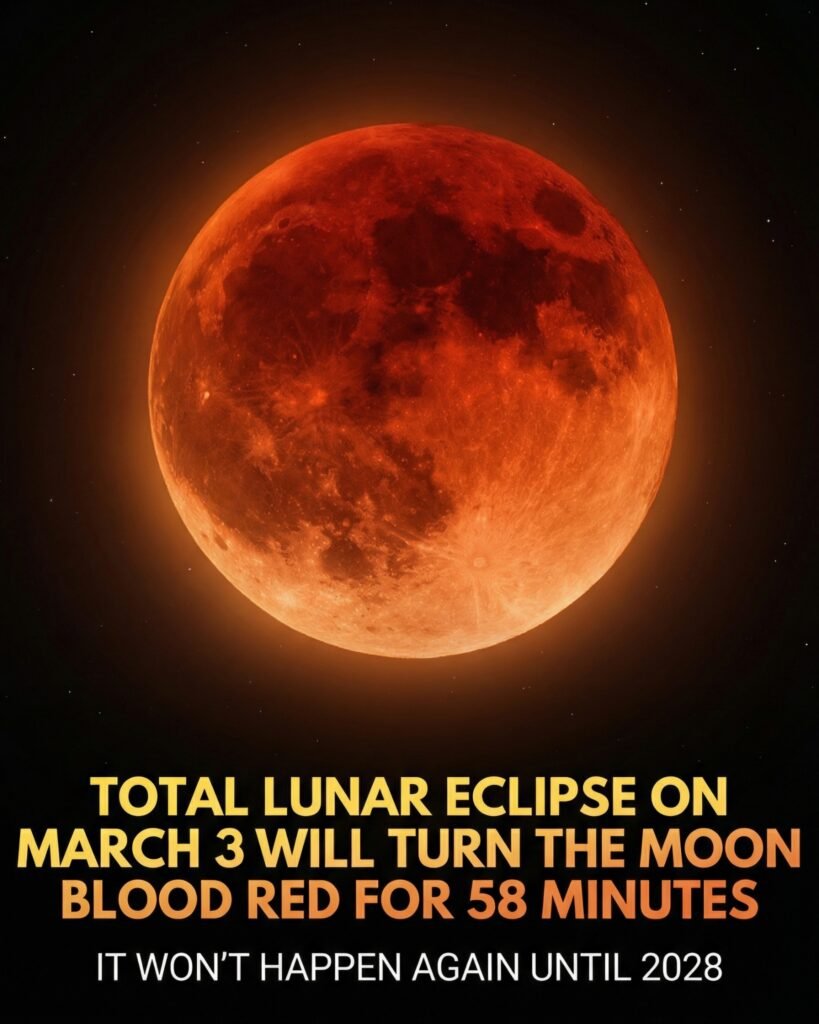
The upcoming blood moon march 3 promises to be an event of both astronomical grandeur and community engagement. Numerous gatherings and activities are planned across the globe to celebrate this celestial phenomenon. Observatories, planetariums, and various astronomy clubs are organizing viewing events, allowing both enthusiasts and novices alike to witness this spectacular occurrence together.
Local observatories are offering guided telescope viewings, educational talks, and even live demonstrations on how lunar eclipses and blood moon march 3 form. Participating in these events can provide a deeper understanding of the science behind this captivating phenomenon, while enjoying the company of fellow sky watchers. For those interested in evening lectures, many institutions are hosting discussions featuring experts who will elaborate on the significance of the blood moon in various cultures and its impact on celestial events.
For those who prefer to engage from the comfort of their homes, online viewing parties are also scheduled, featuring live streams from professional astronomers. Contributors will share their observations and offer real-time commentary, enhancing the experience for those tuning in virtually. Additionally, various educational platforms will focus on seminars that discuss the implications of the blood moon march 3, its historical significance, and myths associated with this striking celestial event.
Engagement doesn’t stop at the viewing. After witnessing the blood moon on March 3, participants are encouraged to share their experiences through social media platforms. Utilize hashtags related to the event, such as #BloodMoonMarch3, to connect with a broader community. Sharing photographs, thoughts, or videos can ignite conversations and foster connections among fellow astronomical enthusiasts.
